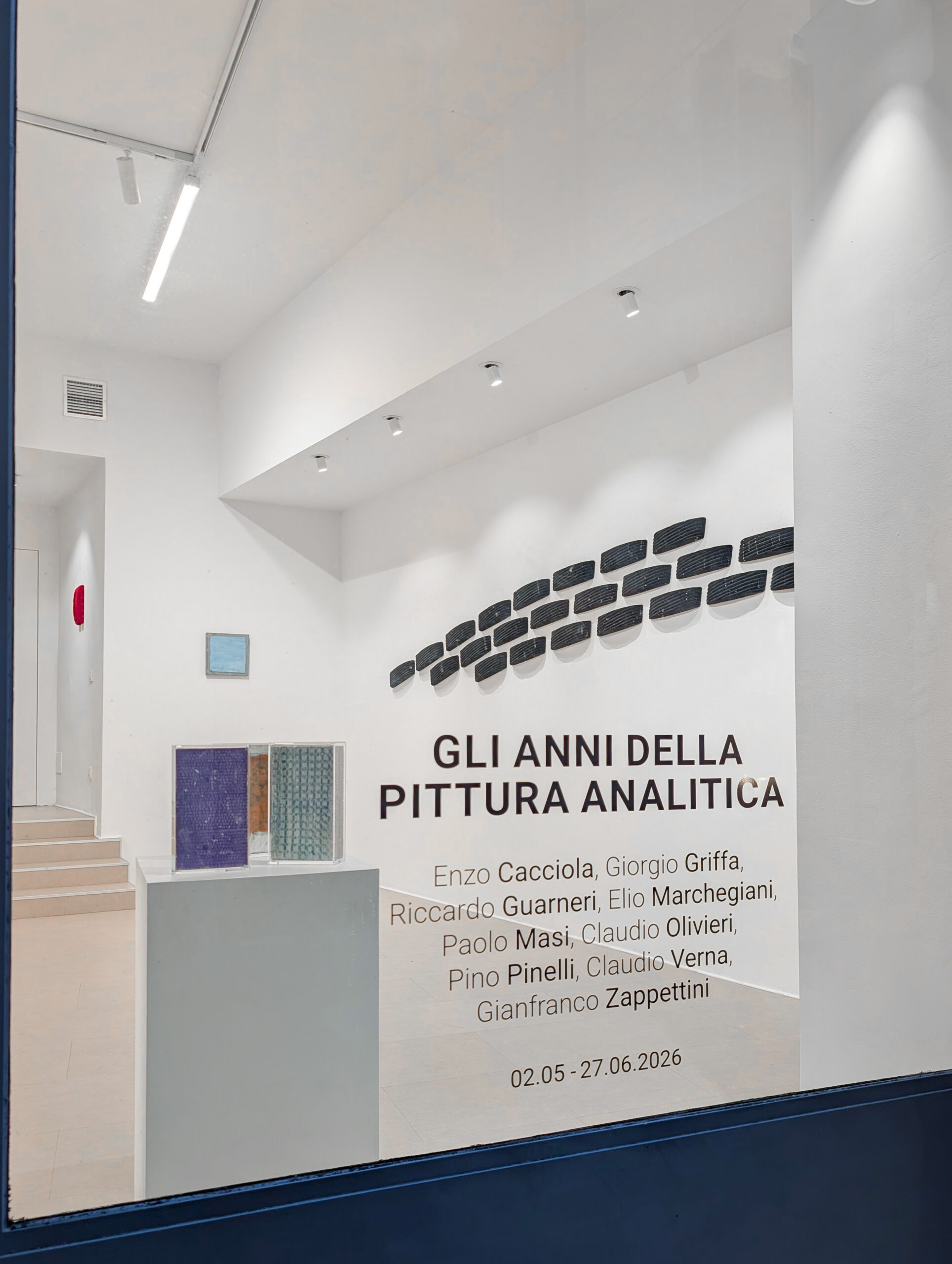
The Years of Analytical Painting
May 2 – June 27, 2026
ABOUT KROMYA
KROMYA ART GALLERY viene fondata nel 2018 a Lugano da Tecla Riva, Giorgio Ferrarin e Adriano A. Sala come risultato di una passione e di competenze comuni di lunga data. Nel 2020 KROMYA ha ampliato la propria sede con un nuovo avamposto a Verona, in Italia
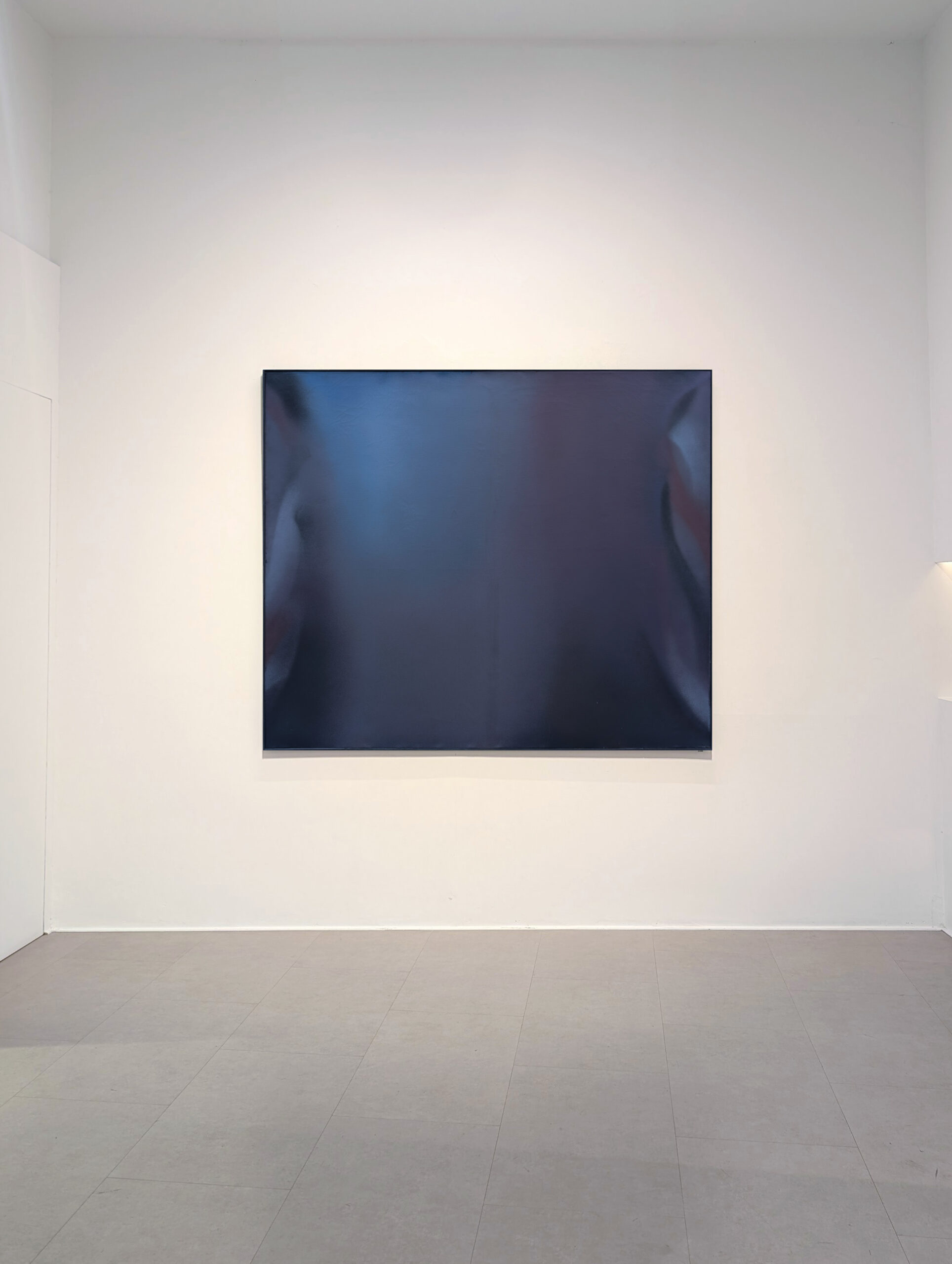
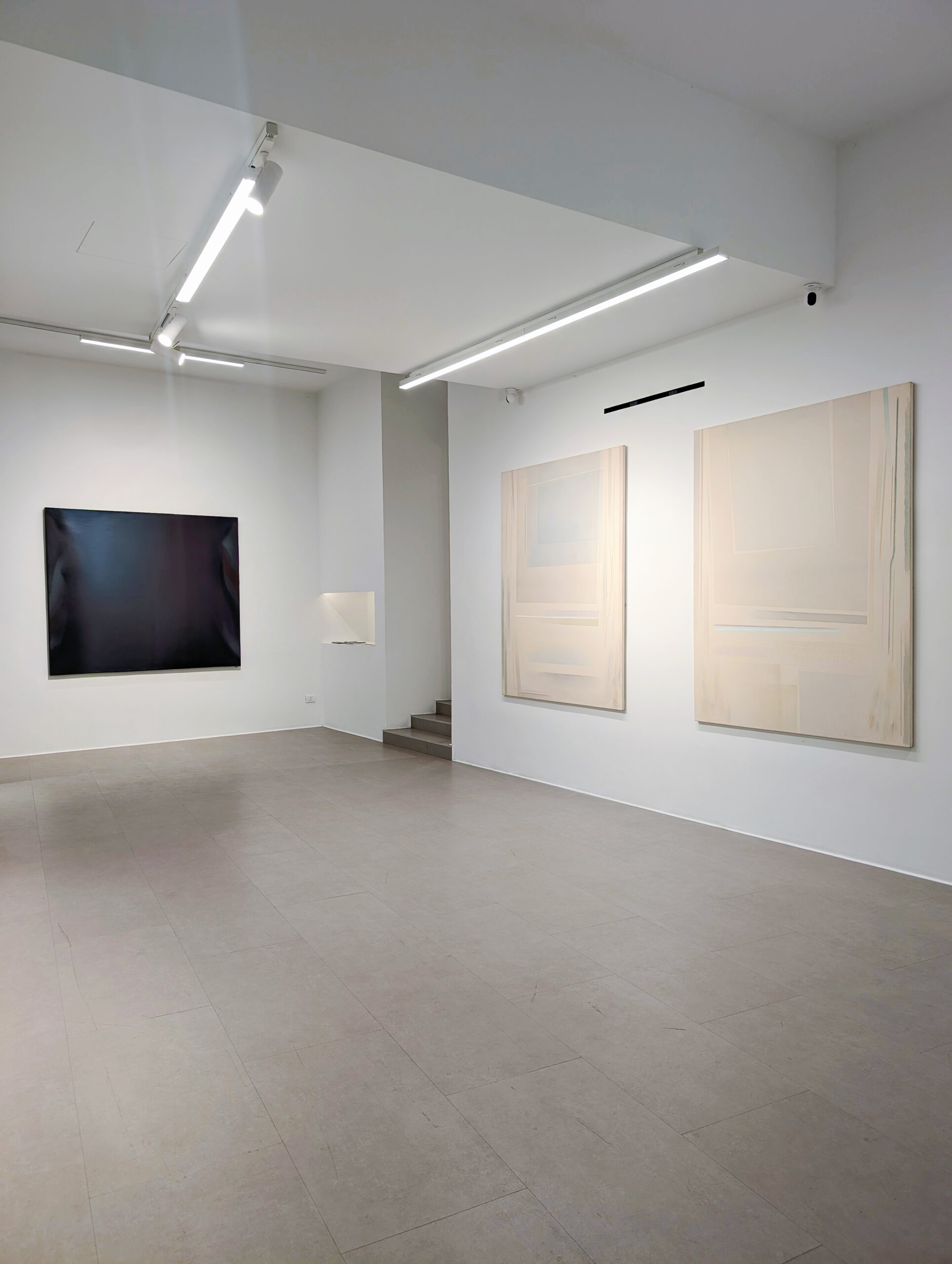
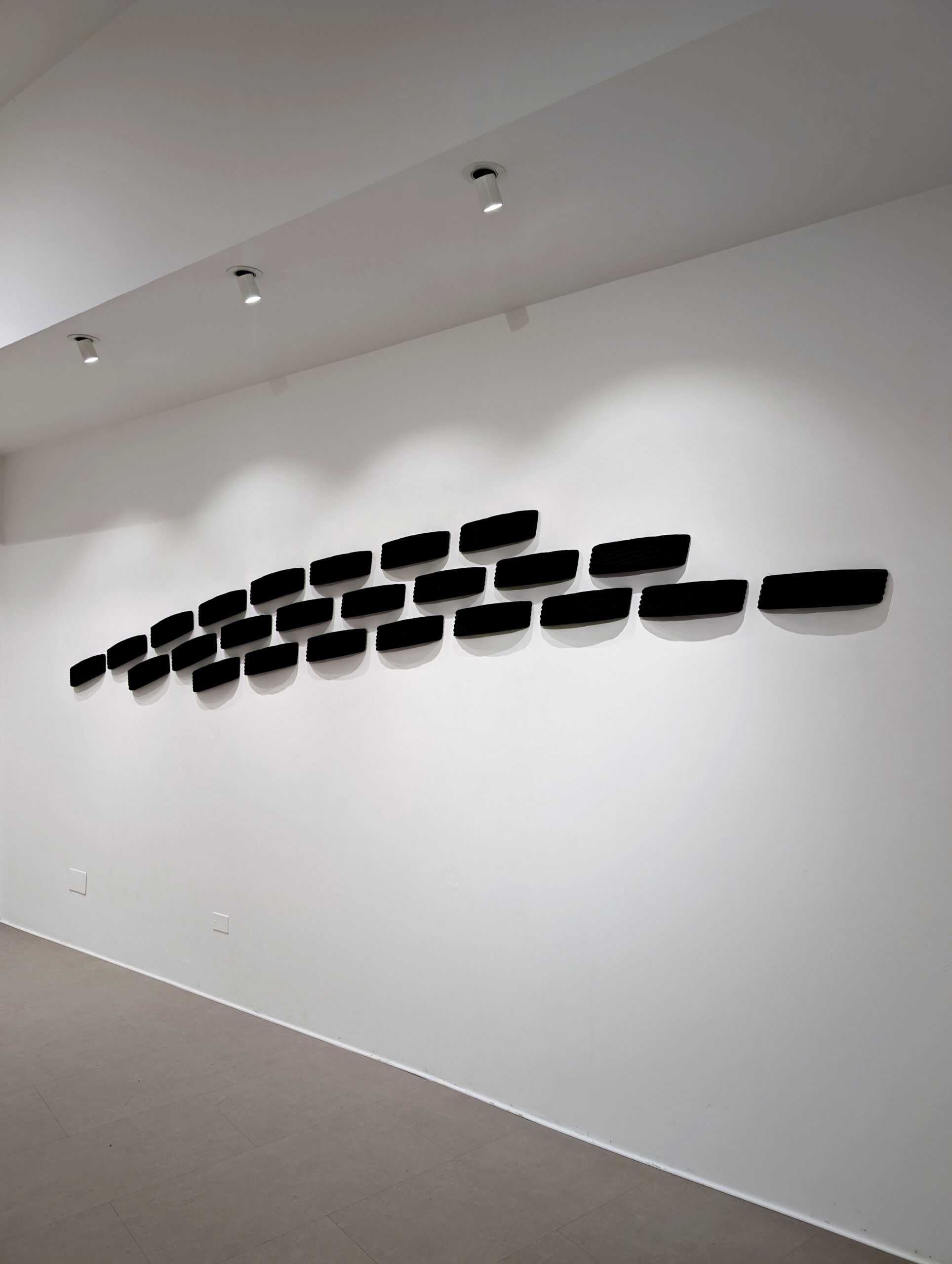
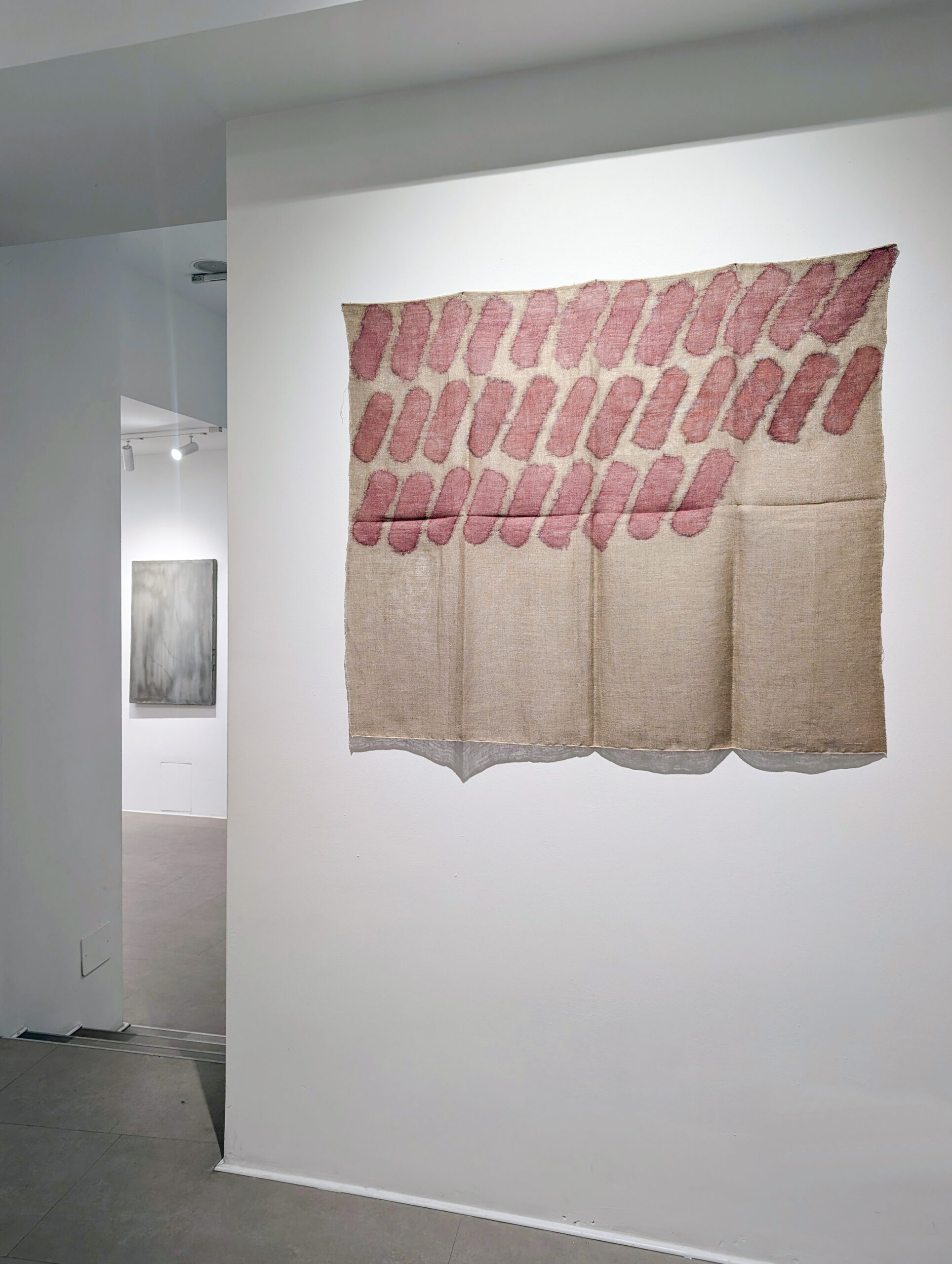
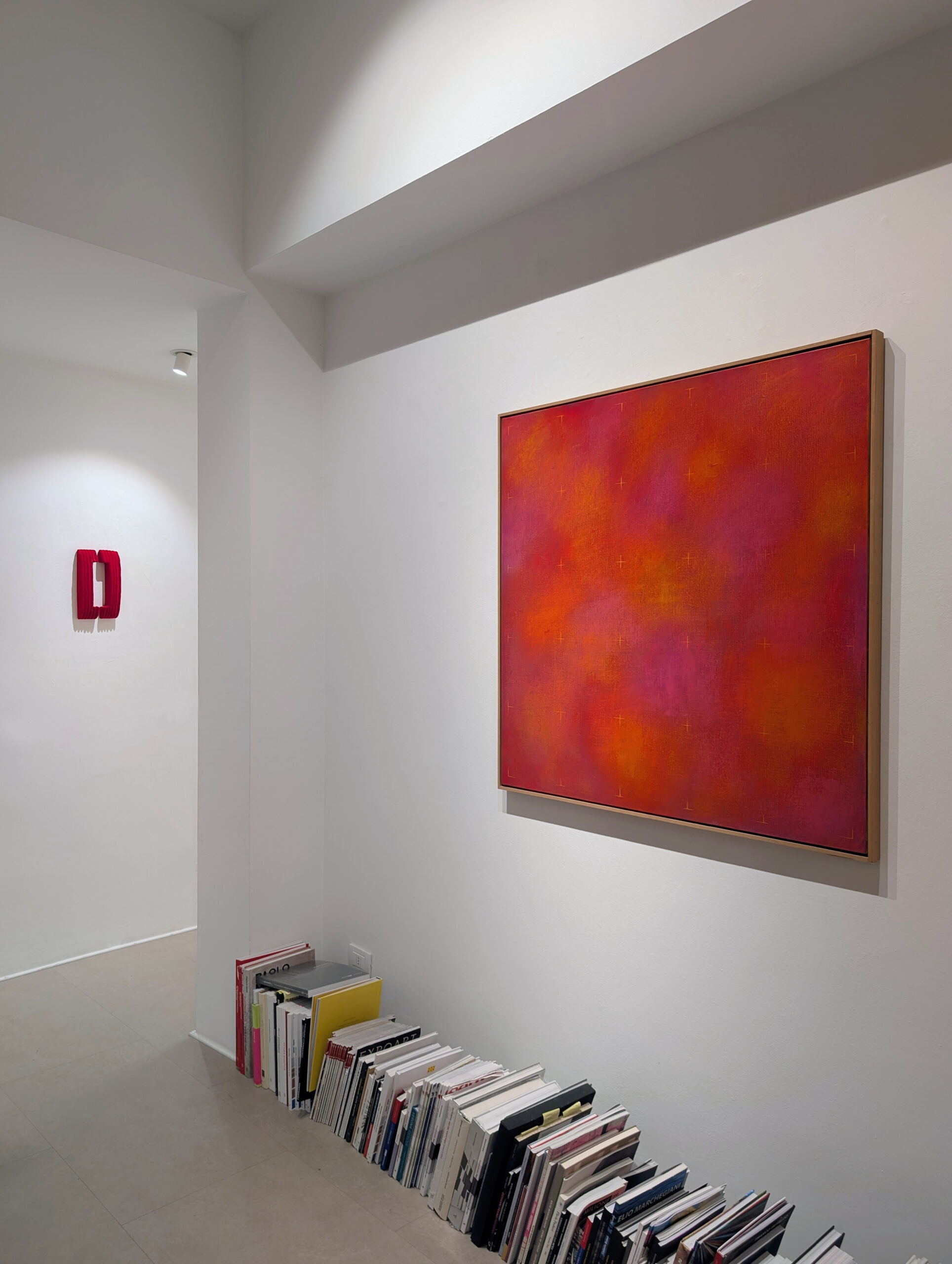
On the occasion of Artinrete, the contemporary art festival held across the city of Verona, KROMYA Art Gallery, in collaboration with FerrarinArte, presented an exhibition dedicated to the leading figures of Analytical Painting.
The exhibition brought together nine artists who played a defining role in the history of Italian and international art: Enzo Cacciola, Giorgio Griffa, Riccardo Guarneri, Elio Marchegiani, Paolo Masi, Claudio Olivieri, Pino Pinelli, Claudio Verna and Gianfranco Zappettini.
The curatorial project focused on a crucial moment in the history of painting — the 1970s — when the pictorial language, widely considered outdated at the time, was re-centered within artistic research. Colour, canvas and structure returned as primary elements, no longer mere tools but subjects of investigation in themselves.
While similar explorations had developed in the United States, it was in Europe — and particularly in Italy — that this approach found its most coherent expression. Analytical Painting questioned the very foundations of painting, shifting attention toward process, material, and temporality.
Throughout the decade, these artists were featured in major international contexts, including the Musée d’Art Moderne in Paris, the Galleria Civica d’Arte Moderna in Turin, the Venice Biennale, and Documenta in Kassel. Their work defined what critics described as a shared “situation,” rather than a formally structured movement.
The works presented, largely dating from the 1970s, offered both an in-depth view of each individual practice and a broader perspective highlighting the affinities among them. The exhibition also revealed the lasting influence of these approaches on subsequent generations, even as the late 1970s and early 1980s saw a renewed interest in more expressive and figurative forms of painting.
The exhibition thus stood as a critical re-reading, restoring the centrality of a body of work that redefined the language of contemporary painting.