GIUSEPPE CAPOGROSSI, CARLA ACCARDI, SERGIO FERMARIELLO
GRAMMATICHE DEL SEGNO
SEPTEMBER 24 – NOVEMBER 6, 2026
ABOUT KROMYA
KROMYA ART GALLERY was founded in 2018 in Lugano by Tecla Riva, Giorgio Ferrarin and Adriano A. Sala as a result of a long-standing common passion and expertise. In 2020 KROMYA expanded its headquarters with a new outpost in Verona, Italy.
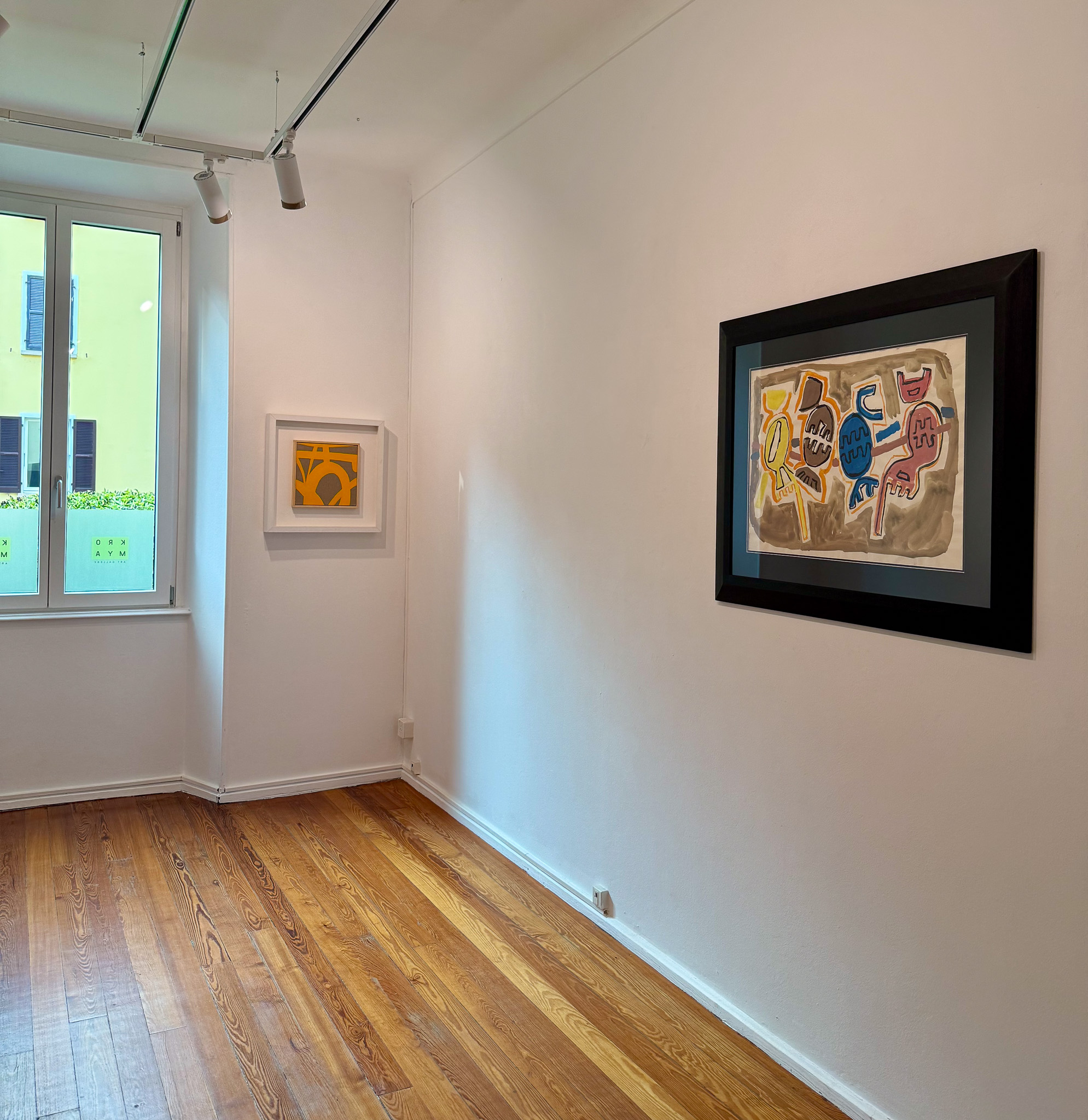
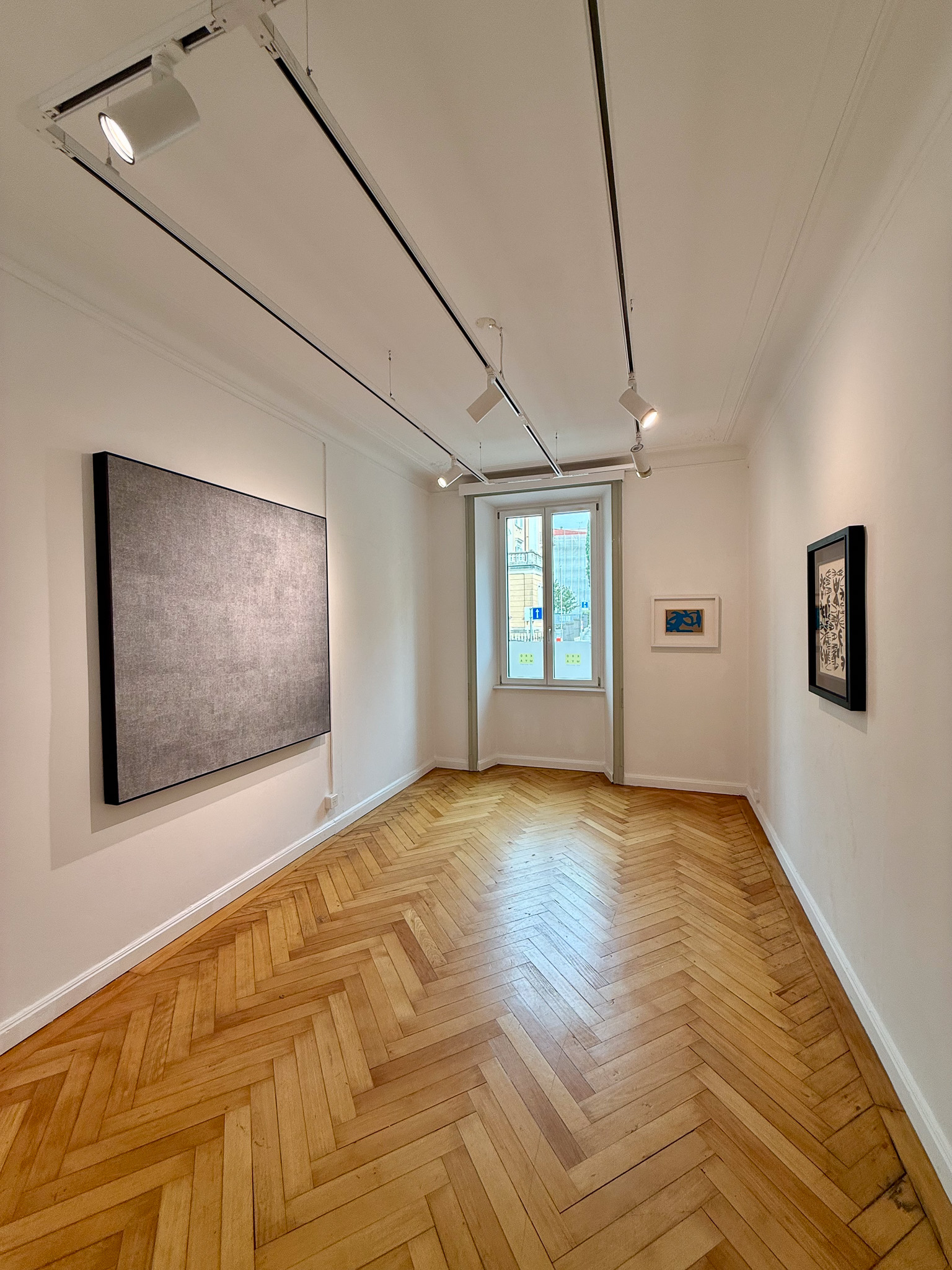
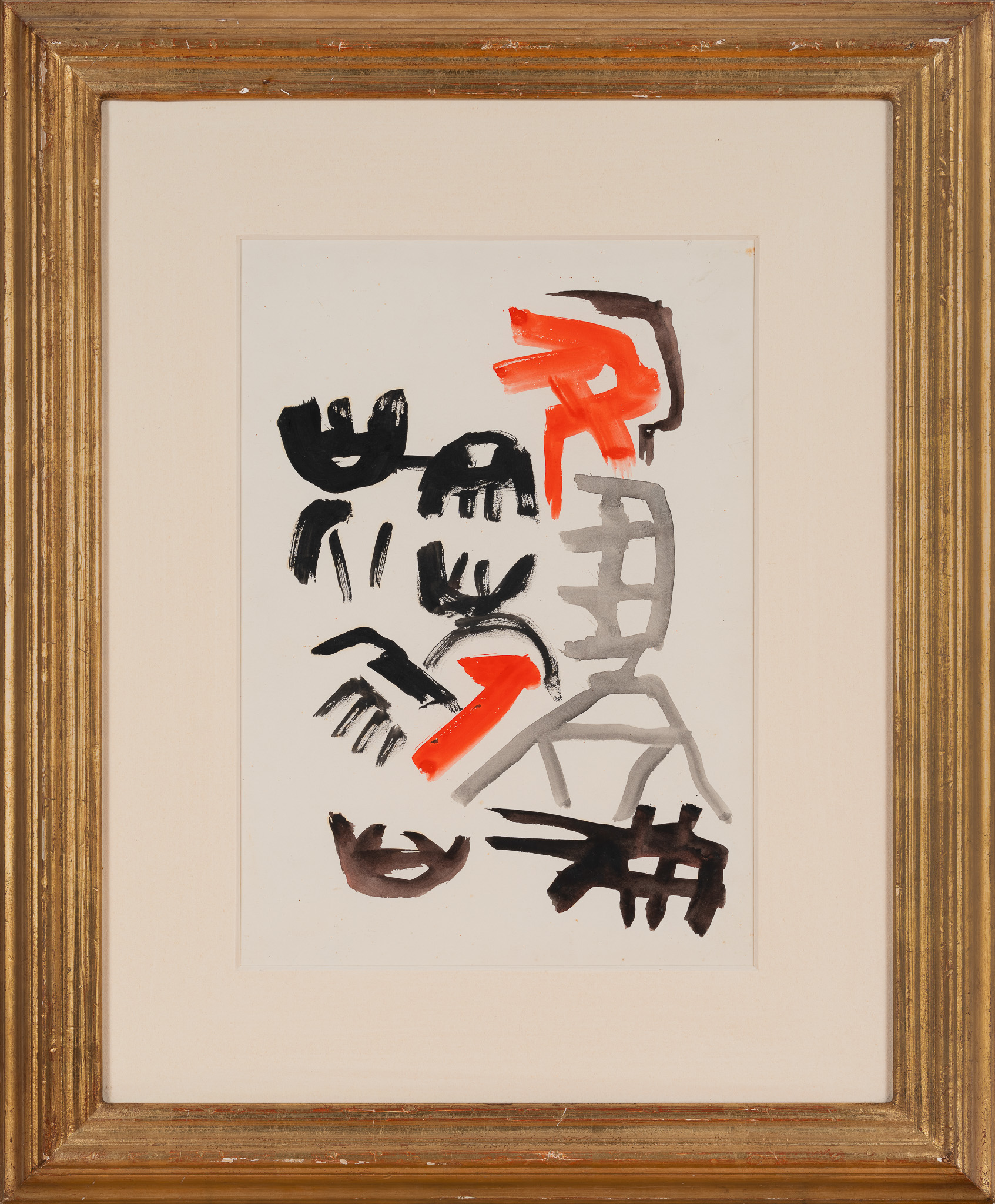
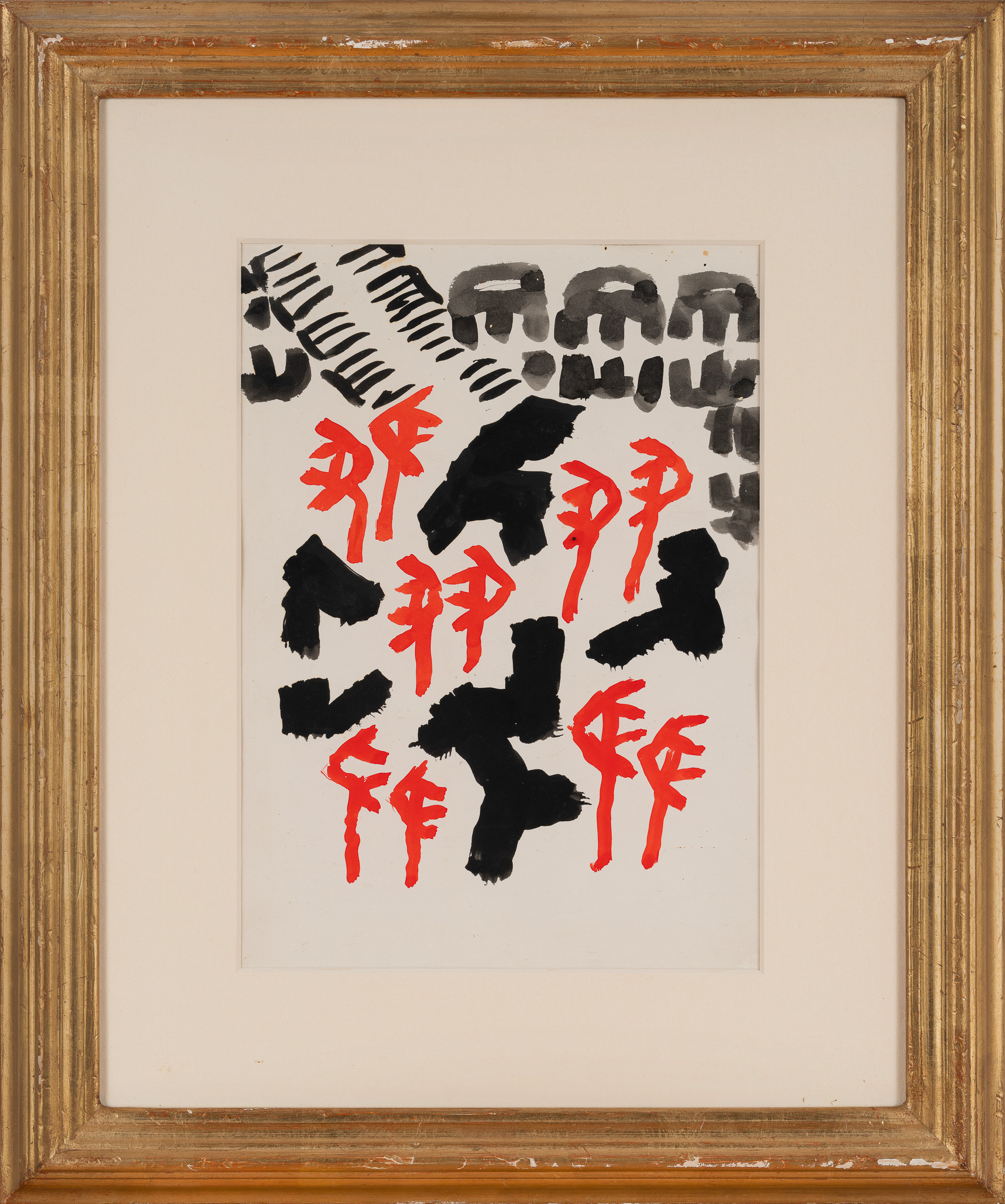
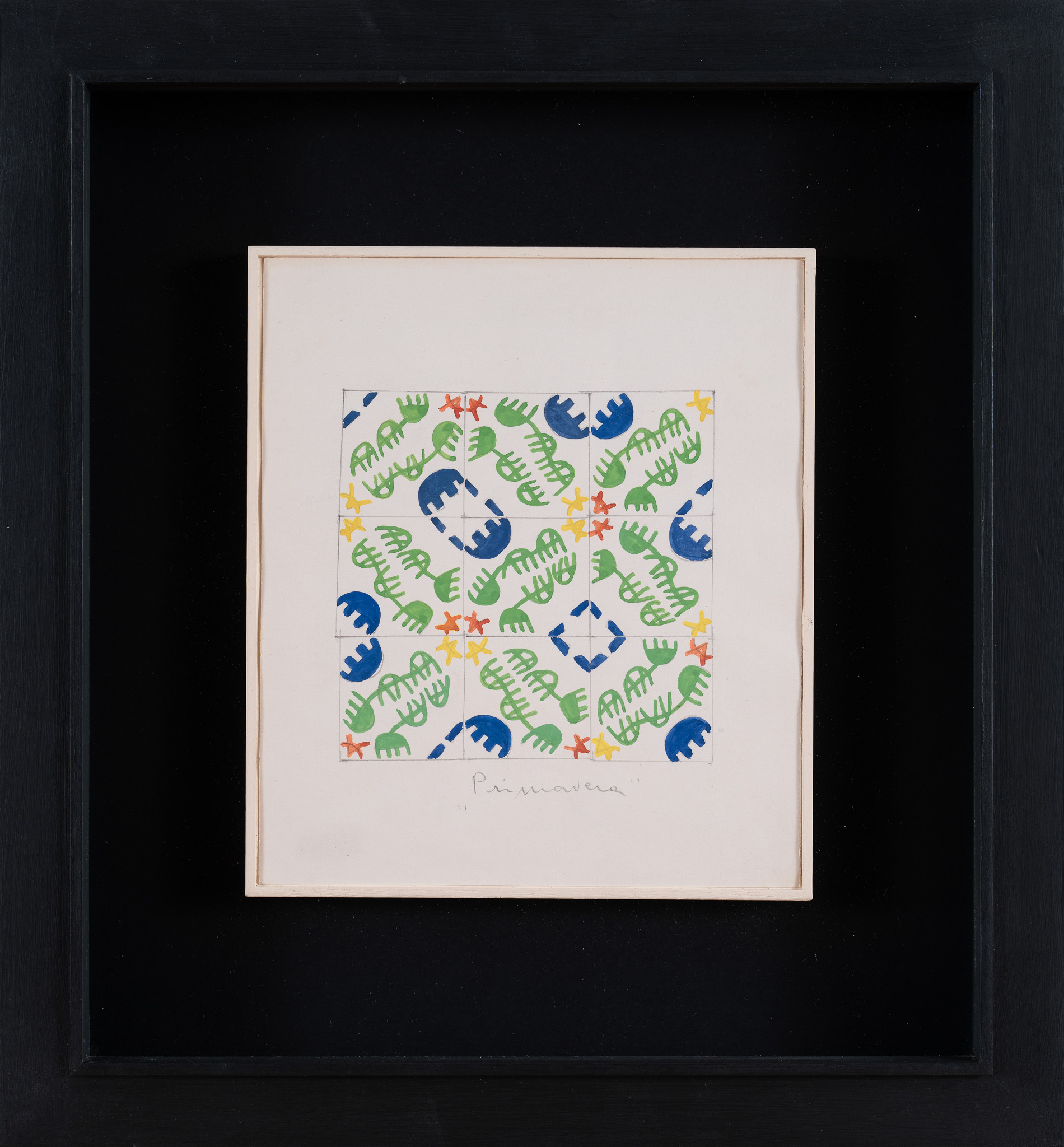
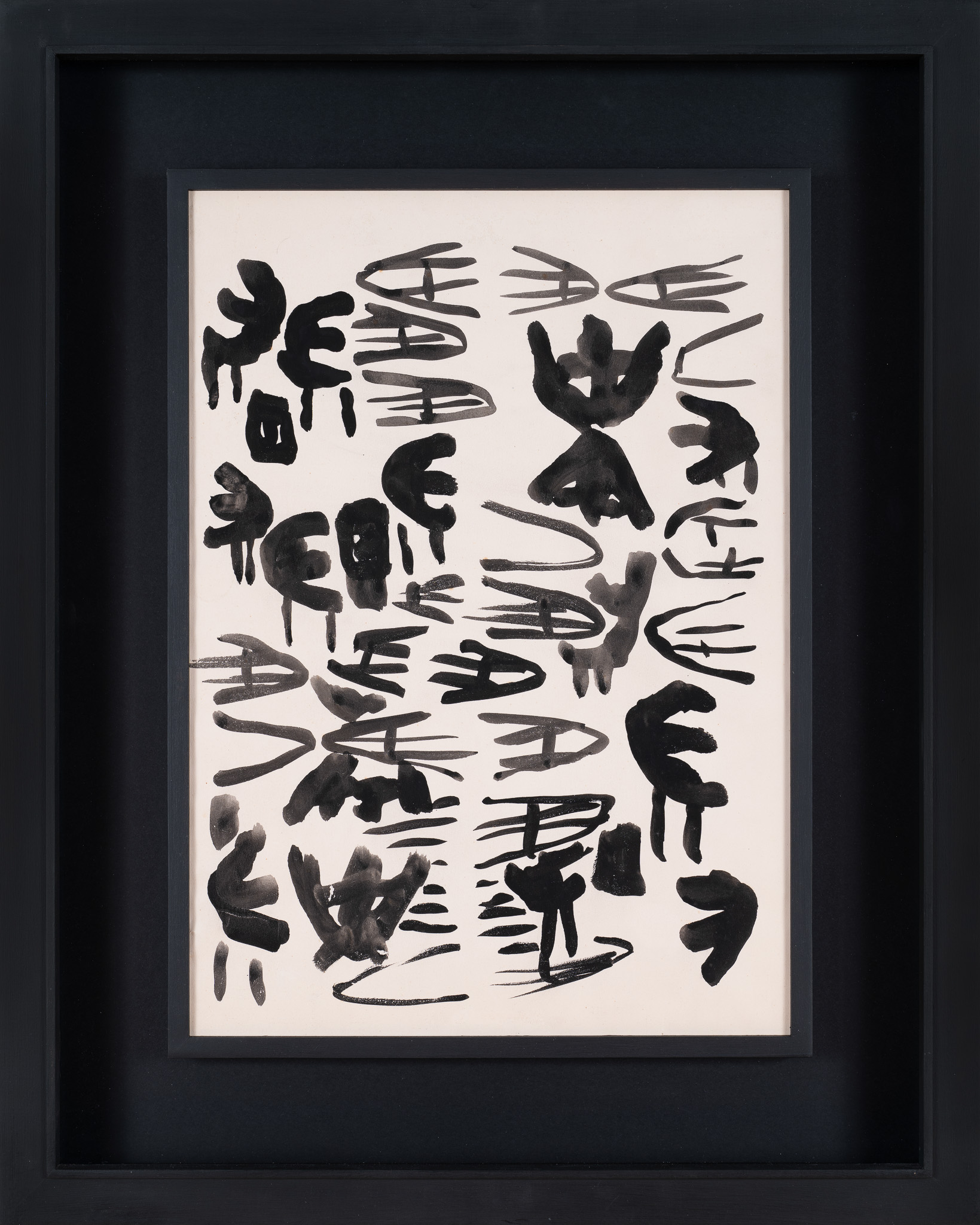
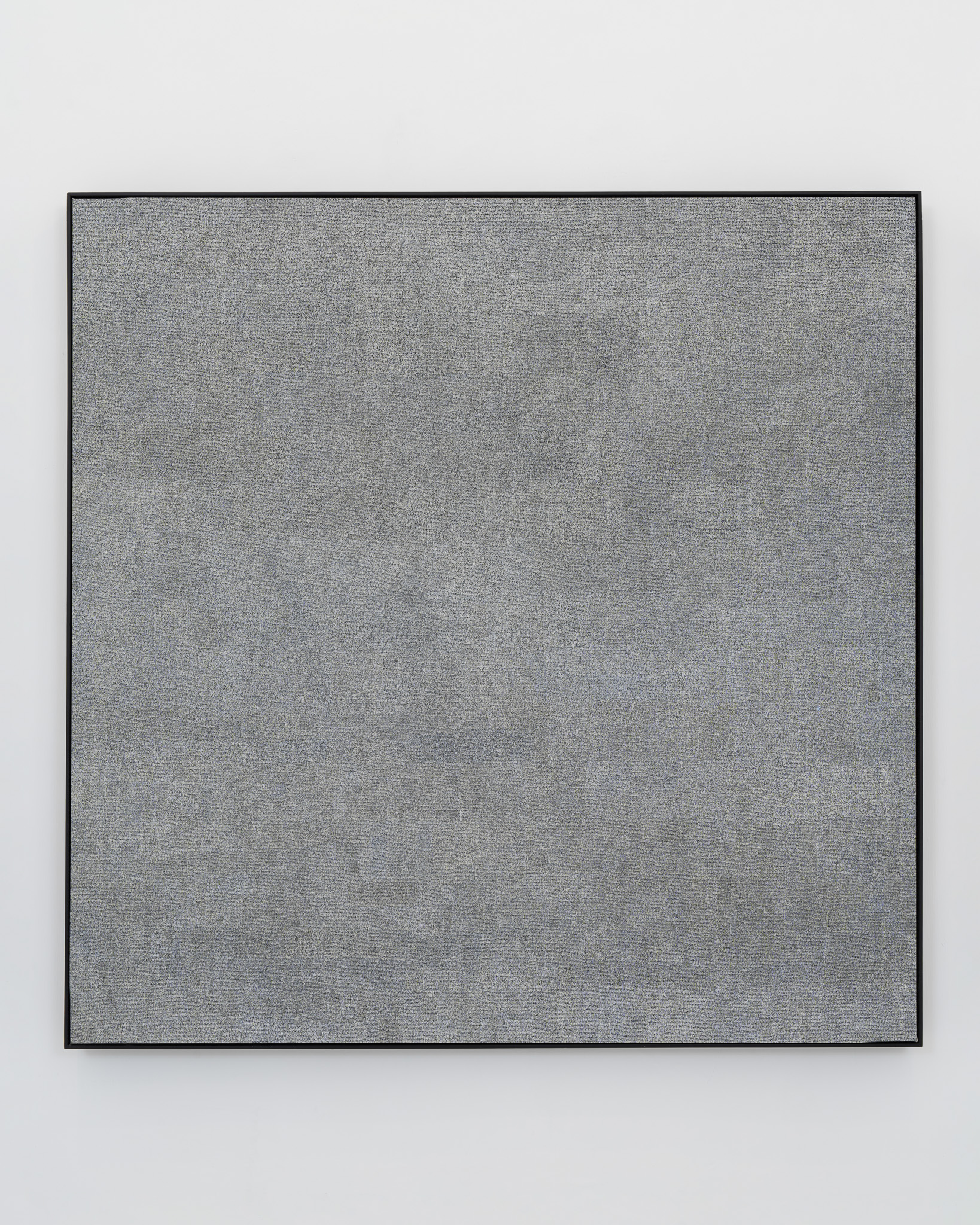
KROMYA Art Gallery Lugano presents Grammatiche del segno, a group exhibition featuring Giuseppe Capogrossi, Carla Accardi, and Sergio Fermariello, curated by Francesca Romana Morelli. Bringing together three artists from different generations of Italian art, the exhibition explores their shared investigation into the pictorial sign as a fundamental element in the construction of images, space, and visual language.
Through distinct artistic approaches, the exhibition examines the sign as an autonomous form of expression, capable of moving beyond representation to become rhythm, structure, and writing. Repetition, variation, and multiplication emerge as essential tools through which each artist develops a personal visual grammar, investigating the relationships between abstraction and figuration, surface and depth, memory and the contemporary world.
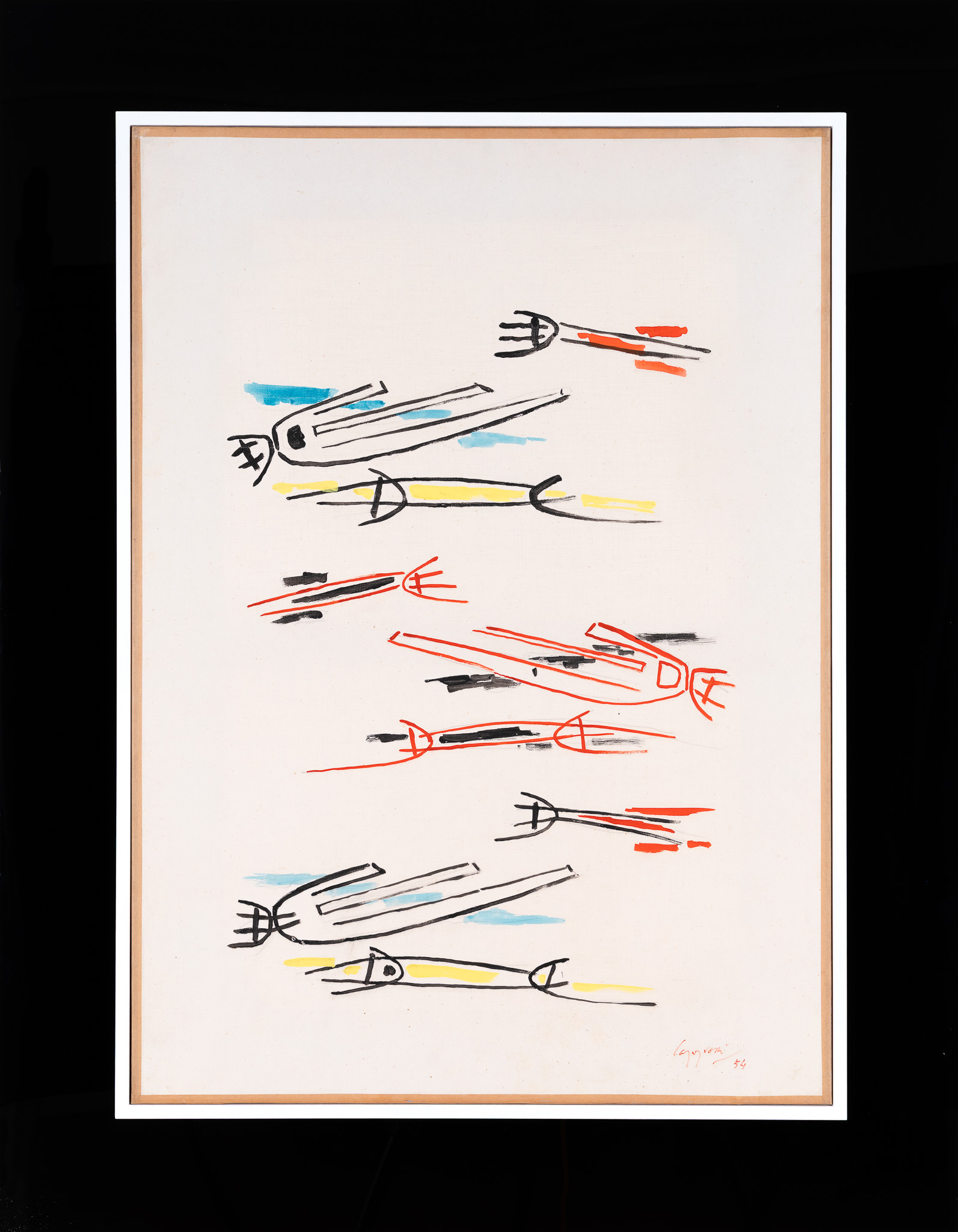
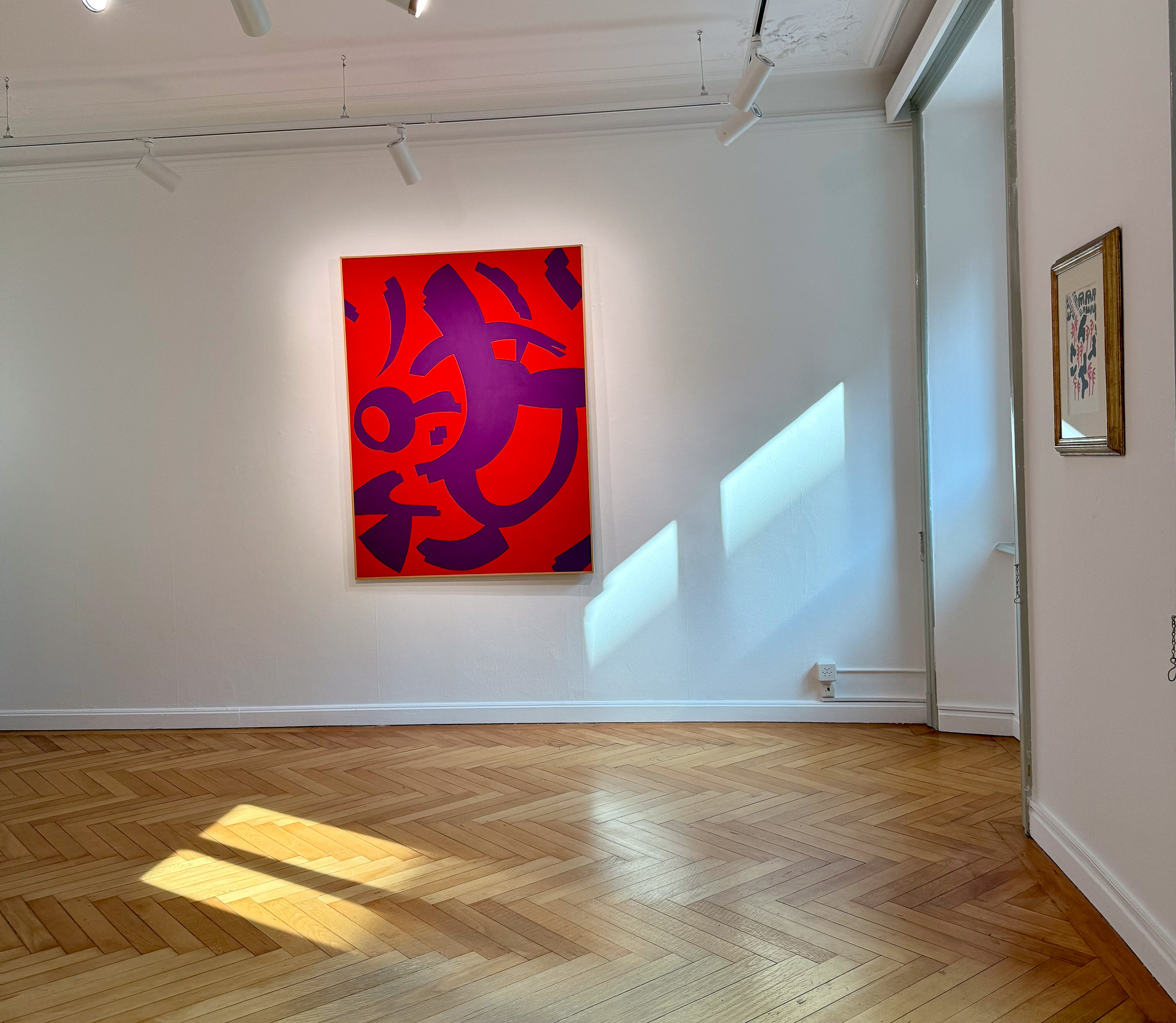
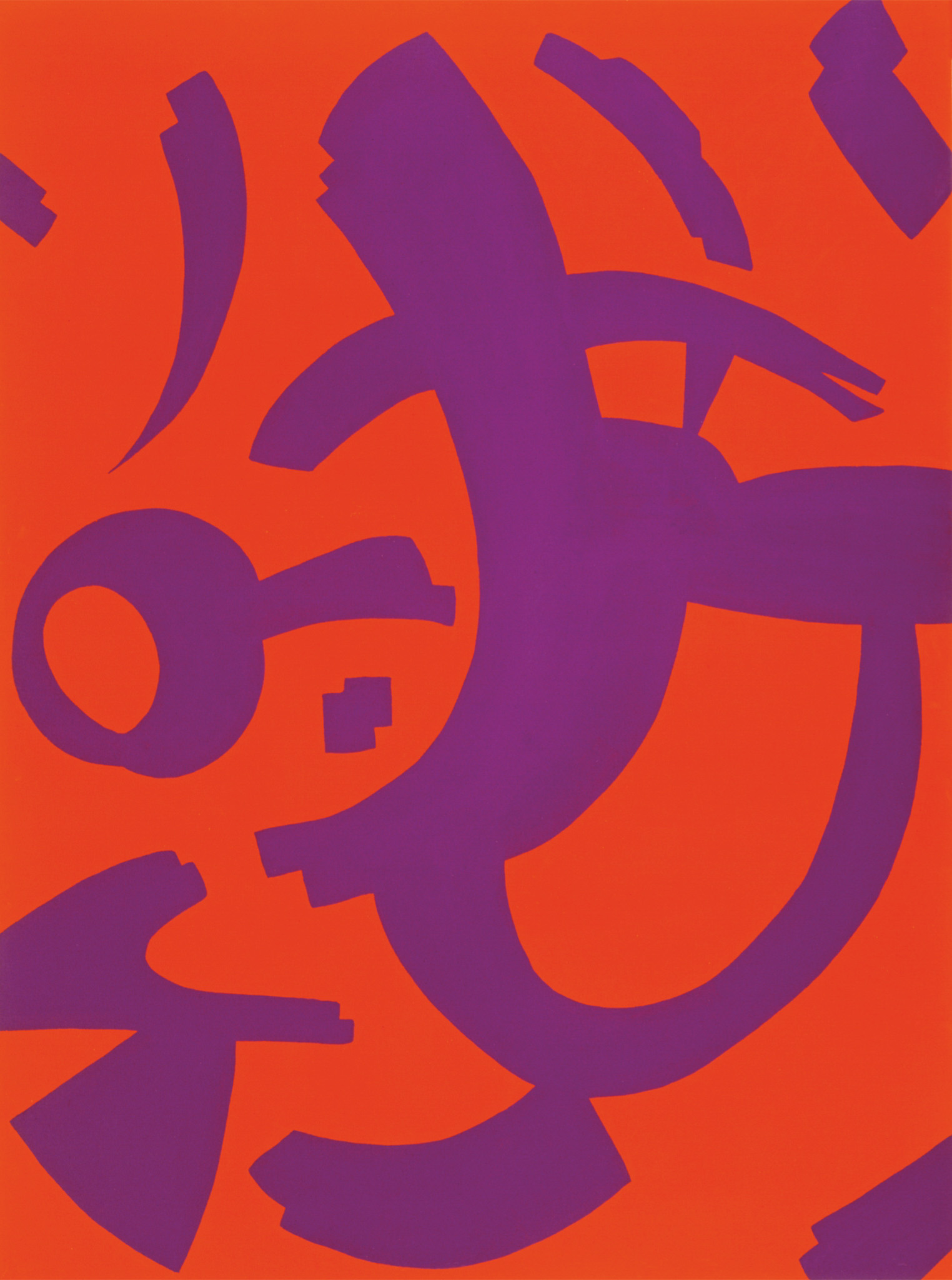
Giuseppe Capogrossi (1900–1972) developed his distinctive abstract language in the late 1940s, following his engagement with some of the defining experiences of twentieth-century Italian painting. His essential and immediately recognizable sign became the foundation of an artistic investigation in which the pictorial surface is structured through sequences, constellations, and relationships of balance and tension.
Whether isolated or repeated, Capogrossi’s sign constructs a space that no longer follows the conventions of traditional representation. Instead, it becomes the expression of an inner dimension, what the artist understood as a “space of consciousness.” The works presented in the exhibition trace the development of his artistic practice, from the emergence of his distinctive sign to its subsequent variations and modulations, including the exploration of pictorial depth through color.
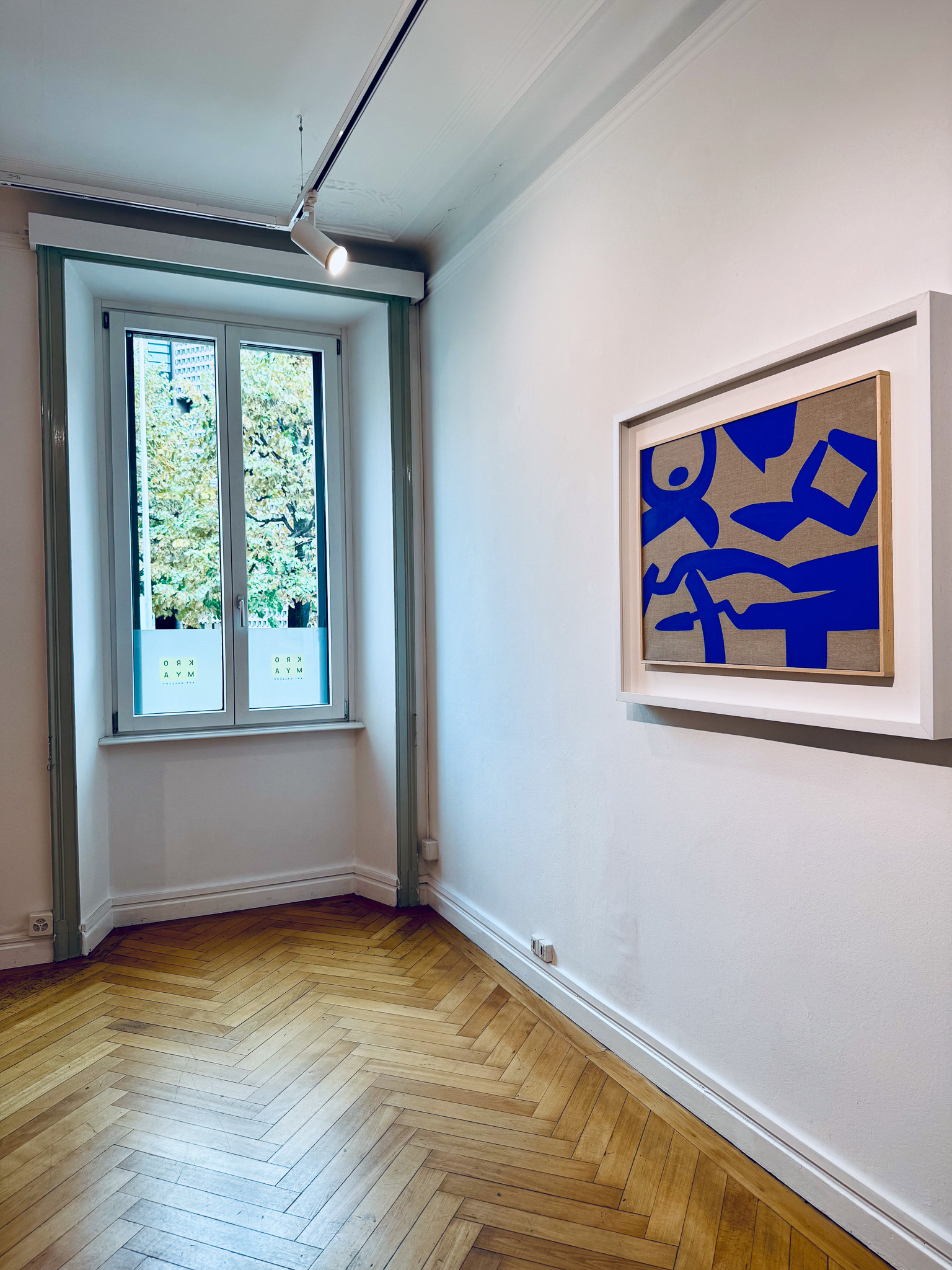
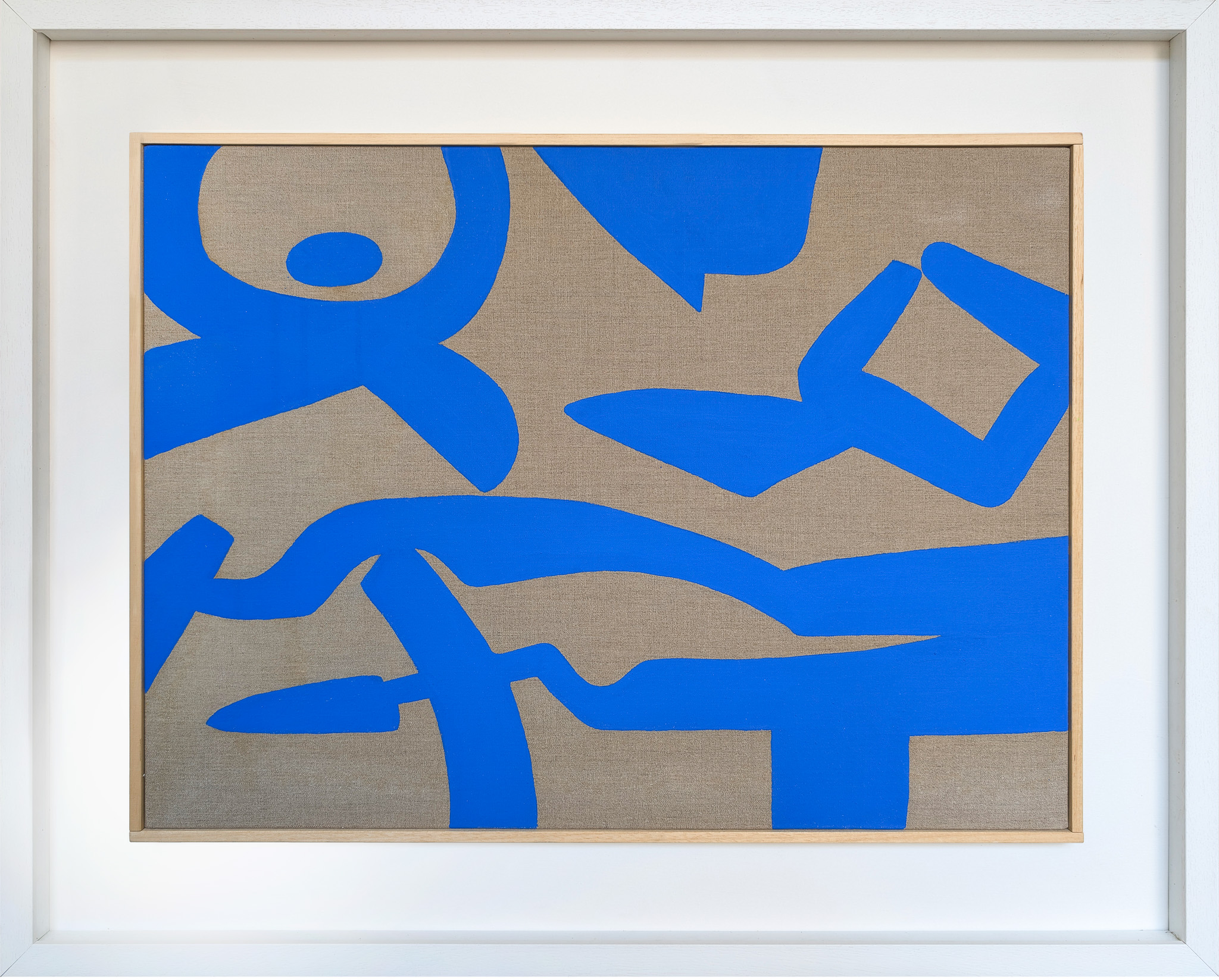
Carla Accardi (1924–2014) developed her artistic research within the context of postwar Italian abstraction, placing the relationship between sign, color, and space at the center of her experimentation. Her early works, characterized by white signs against black backgrounds, reflected a desire to challenge established pictorial conventions through an approach she associated with the concept of “anti-painting.”
Over the following decades, her visual language evolved towards increasing compositional and chromatic freedom. The sign expanded beyond the traditional boundaries of the canvas, engaging directly with space, while color acquired progressively brighter and more intense qualities, recalling the artificial lights and visual energy of the contemporary city.
The exhibition features six works by Carla Accardi created between 2007 and 2008, including several large-scale paintings that exemplify this phase of her research. Elongated, curved, and interrupted signs move across vibrant surfaces of cobalt blue, turquoise, violet, red, yellow, and black. Form and color merge into a dynamic visual language in which painting appears to extend beyond the physical limits of the canvas.
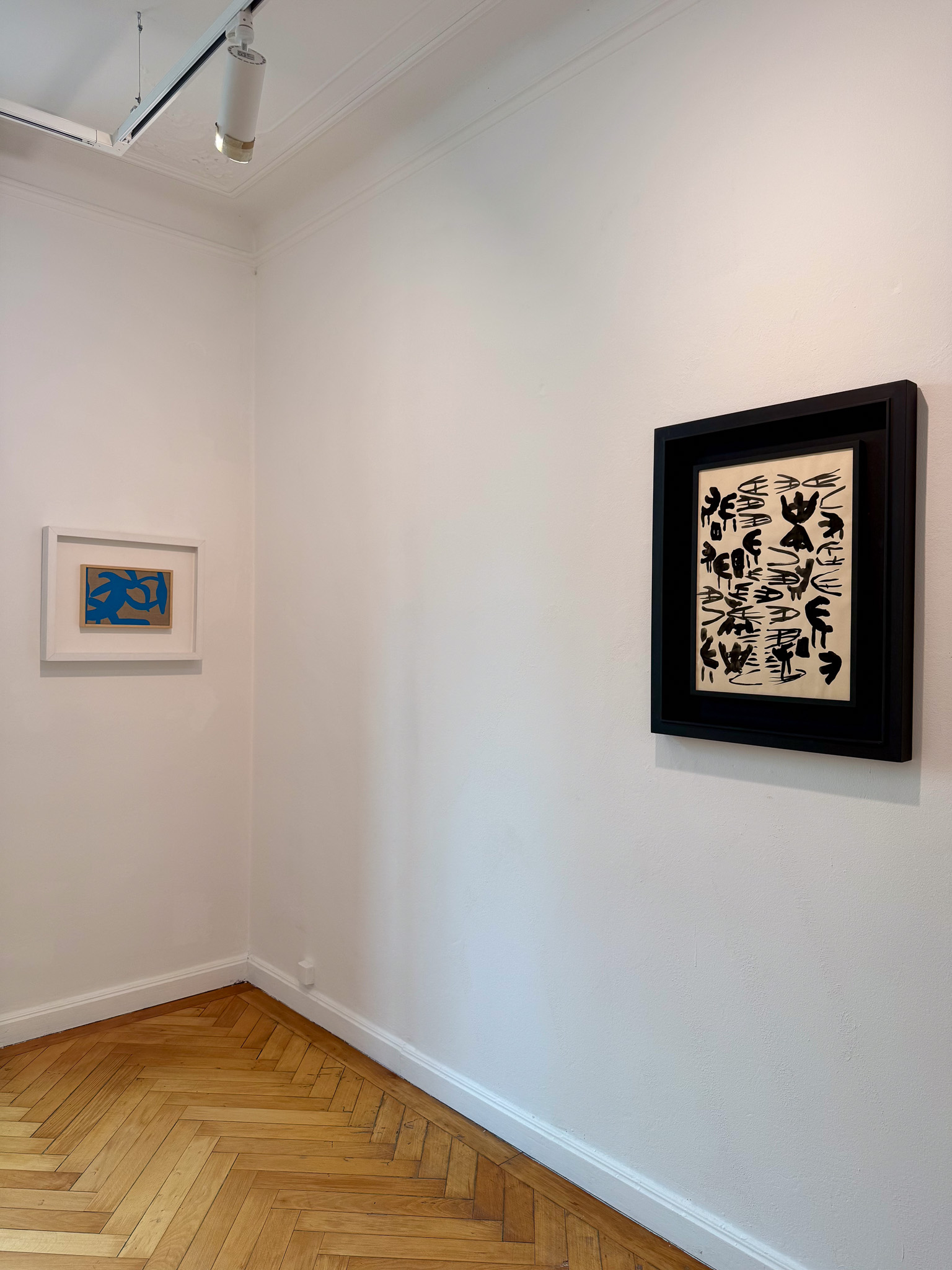
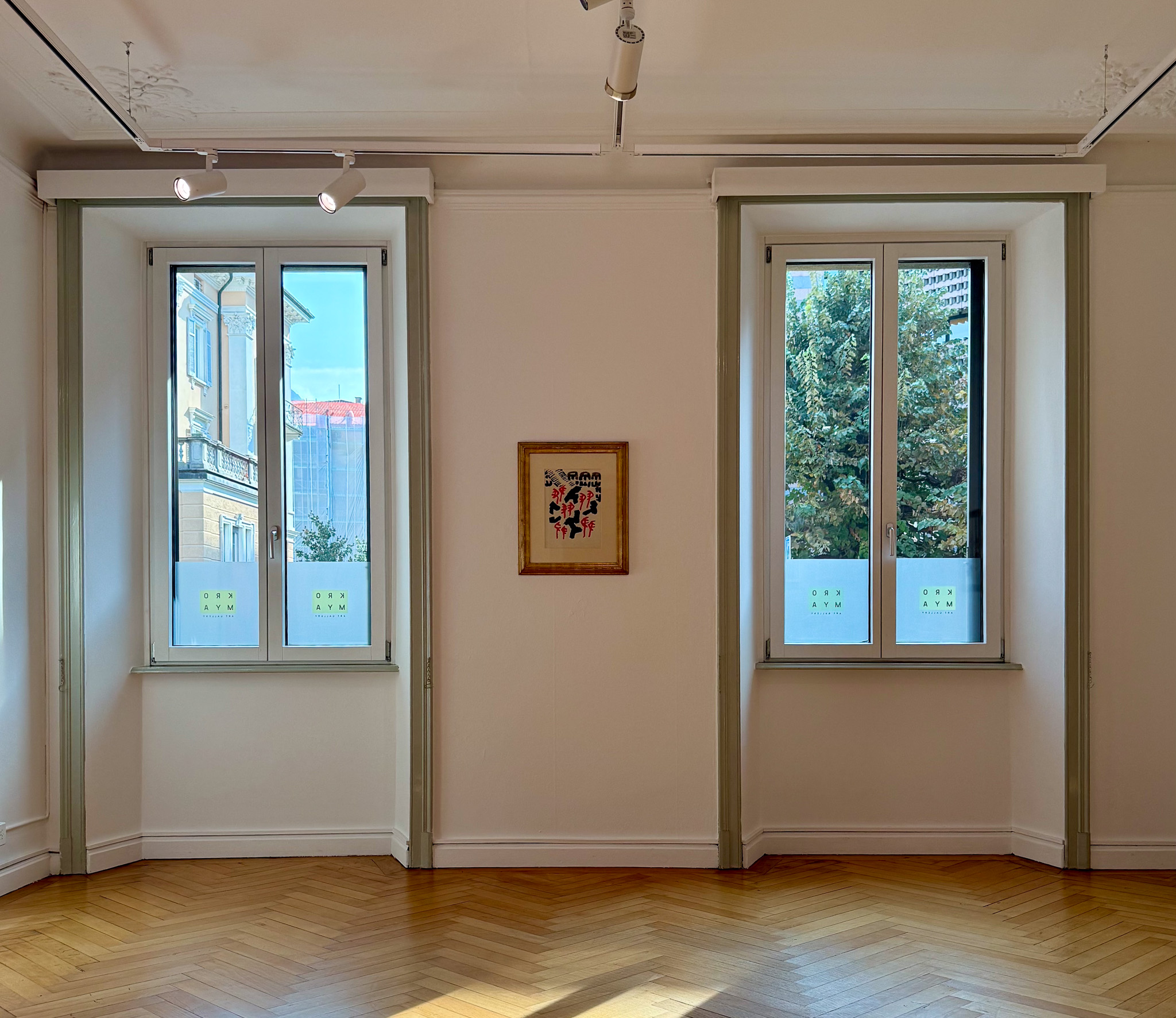
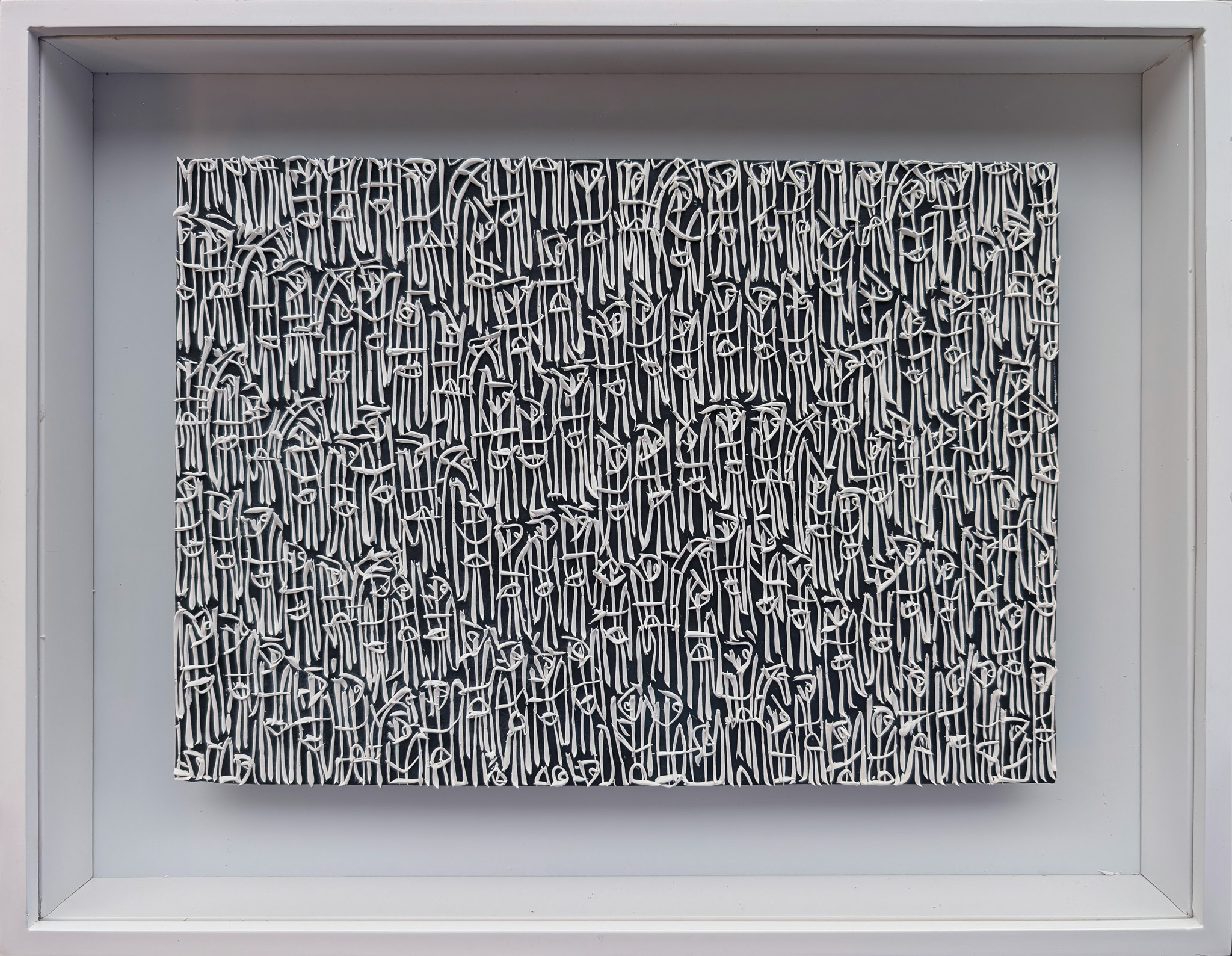
The work of Sergio Fermariello (born 1961) establishes an ideal connection with the legacy of postwar Italian abstraction while developing an unmistakably personal vocabulary suspended between figuration and abstraction. Since the late 1980s, his practice has centered on an elementary recurring figure-sign: the archaic warrior, a horseman carrying a spear and shield, repeated across the surface until it becomes rhythm, sequence, and writing.
This recurring figure contains multiple layers of meaning. The spear and shield visually suggest the letters “i” and “o”, forming the Italian word “io” (“I”), while also evoking the binary system of computer language through the digits one and zero. The sign thus becomes a bridge between ancestral memory and the present, reflecting on the condition of the contemporary individual, suspended between identity and anonymity, presence and absence.
Fermariello extends this language from paper and canvas into sculpture, working with materials such as stainless steel and corten steel. The seven works presented in the exhibition, five of which were created in 2026, demonstrate the continuity of an artistic investigation that constantly renews its meaning through the repetition of an essential form.
Grammatiche del segno establishes a dialogue between three deeply individual interpretations of artistic language. In Capogrossi’s work, the sign becomes structure and a space of consciousness; in Accardi’s, it transforms into chromatic energy and movement; in Fermariello’s, it acquires the qualities of a symbolic writing system connecting past and present.
Presented at KROMYA Art Gallery in Lugano, the exhibition offers a perspective on the central role of the sign in twentieth-century Italian abstract art and contemporary artistic practice, highlighting its ability to generate distinctive visual languages while remaining open to continuous transformation.